Pharmacology, Research
Division
Pharmacology and Natural Products Division
The Pharmacology and Natural Products Division studies how medicines act and how they are used safely. Its scope includes therapeutics, medication safety and the evaluation of natural products as sources of new drugs.
8publications
2books
4registered studies
88credited people
Overview and scope
Key subject areas
Pharmacology, therapeutics, natural products and medication-related research.
Clinical pharmacology
Therapeutics
Natural product drug discovery
Pharmacovigilance and medication safety
Ethnopharmacology
Antimicrobial stewardship
Staff and contributors
All people in this division People
Verified Sterling IMRES staff will be listed here. Until then, these are the people credited on this division’s library works (not institute staff).
Clinical Medicine, Pharmacology
Pharmacology, Clinical Medicine
Clinical Medicine, Pharmacology
Pharmacology, Clinical Medicine
Active research
Research hub Registered studies
UpcomingInterventionalPhase 1
A Clinical Study of Piperaquine, Pyronaridine, and Artesunate Administered in Combination in Healthy Adults
This University of Oxford Phase 1 study in Thailand will give healthy adult volunteers three regimens in randomised sequence: piperaquine alone, pyronaridine-artesunate alone, and all three drugs together. Each course runs for three days with follow-up and washout periods between regimens. The aim is to understand how the drugs interact before wider use of triple artemisinin-based combinations.
2026
RecruitingInterventionalPhase 1 / Phase 2
Curcumin and Retinal Study
This small randomised study at Texas Tech University Health Sciences Center gives participants either a low or a high dose of curcumin for two weeks. Retinal imaging is used to see whether curcumin crosses into nervous tissue and attaches to amyloid proteins. Researchers also look at safety, blood levels and gut bacteria.
2023
Completed and published
PublishedInterventional
Systolic Blood Pressure Intervention Trial
SPRINT was a large US multicentre randomised trial run by the NHLBI that compared two blood pressure targets in adults with hypertension. Participants were assigned either to an intensive systolic target or to the conventional target, and were followed for major cardiovascular events. Its main findings were published in the New England Journal of Medicine in 2015.
2010
PublishedInterventionalPhase 3
Longitudinal Antimalarial Combinations in Uganda
This Phase 3 study followed a cohort of young children in Kampala, Uganda, treating each malaria episode with one of three randomised drug combinations: amodiaquine plus artesunate, amodiaquine plus sulfadoxine-pyrimethamine, or artemether-lumefantrine. Following children over time allowed comparison of efficacy and safety across repeated treatments. Several results papers are linked in the registry.
2004
Publications and books
All publications Reference library
Natural products in drug discovery: advances and opportunitiesOPEN ACCESS
Nature Reviews Drug Discovery · DOI: 10.1038/s41573-020-00114-z
2021
Natural Products as Sources of New Drugs over the Nearly Four Decades from 01/1981 to 09/2019OPEN ACCESS
Journal of Natural Products · DOI: 10.1021/acs.jnatprod.9b01285
2020
Dapagliflozin in Patients with Heart Failure and Reduced Ejection FractionOPEN ACCESS
New England Journal of Medicine · DOI: 10.1056/NEJMoa1911303
2019
Prevalence, severity, and nature of preventable patient harm across medical care settings: systematic review and meta-analysisOPEN ACCESS
BMJ · DOI: 10.1136/bmj.l4185
2019
What is the epidemiology of medication errors, error-related adverse events and risk factors for errors in adults managed in community care contexts? A systematic review of the international literatureOPEN ACCESS
BMJ Open · DOI: 10.1136/bmjopen-2017-019101
2018
Discovery and resupply of pharmacologically active plant-derived natural products: A reviewOPEN ACCESS
Biotechnology Advances · DOI: 10.1016/j.biotechadv.2015.08.001
2015
Empagliflozin, Cardiovascular Outcomes, and Mortality in Type 2 DiabetesOPEN ACCESS
New England Journal of Medicine · DOI: 10.1056/NEJMoa1504720
2015
Reducing Inappropriate Polypharmacy: The Process of DeprescribingOPEN ACCESS
JAMA Internal Medicine · DOI: 10.1001/jamainternmed.2015.0324
2015
Books
Reference book
Goodman & Gilman's The Pharmacological Basis of Therapeutics
14th editionMcGraw-Hill Medical Publishing Division2022
Visual resources
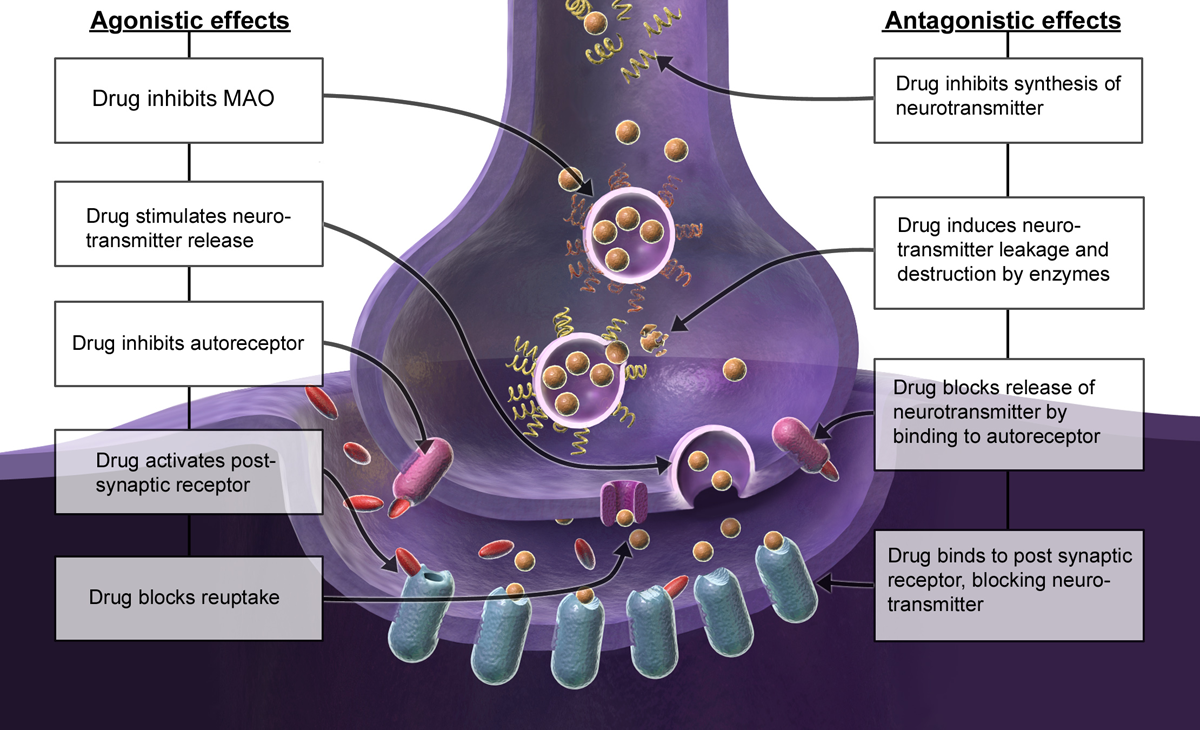
Gallery Illustrations

Educational activities
Education Planned teaching
Focus areas: Principles of pharmacology, Medication safety, Evaluating natural product evidence.
Upcomingcourse
Biomedical foundations for clinical learners
Physiology, pathology and pharmacology principles linked to clinical reasoning through illustrated cases.
- Explain core physiological control systems
- Link mechanisms of disease to presentation
- Relate drug action to mechanism
Not yet enrolling · no accredited award
Collaborate with the Pharmacology division
Opportunities: Natural product and pharmacology research; Medication safety reviews; Pharmacology teaching resources.